
When Minds Collide: Navigating Schizophrenia and Substance Use
March 18, 2026
Learn how substance abuse affects schizophrenia, including symptoms, risks, and treatment options for a dual diagnosis. Clear Steps Recovery can help.
You hear a whisper. You turn, but no one’s there. Then you see a small blue dog running down the sidewalk. You know that can’t be right. Your hands shake because you know none of it’s real, but it’s still there. Your thoughts are going wild, and you can’t catch your breath.
So you take another drink and light another cigarette. Maybe that’ll make it all stop for now.
The correlation between schizophrenia and substance use is strong. When you’re suffering from both, it may be hard to distinguish hallucinations from reality. You might not know where to turn or what to do.
Read on to find out the connection between schizophrenia and substance use, their symptoms, and the treatment options available.
Table of Contents
- How Does Substance Use Affect Schizophrenia?
- The Association Between Schizophrenia and Substance Use Disorder
- How To Treat Schizophrenia and Co-Occurring Substance Use Disorder
- Clear Steps Recovery: Treating Schizophrenia and Substance Use Disorders in One Convenient Location
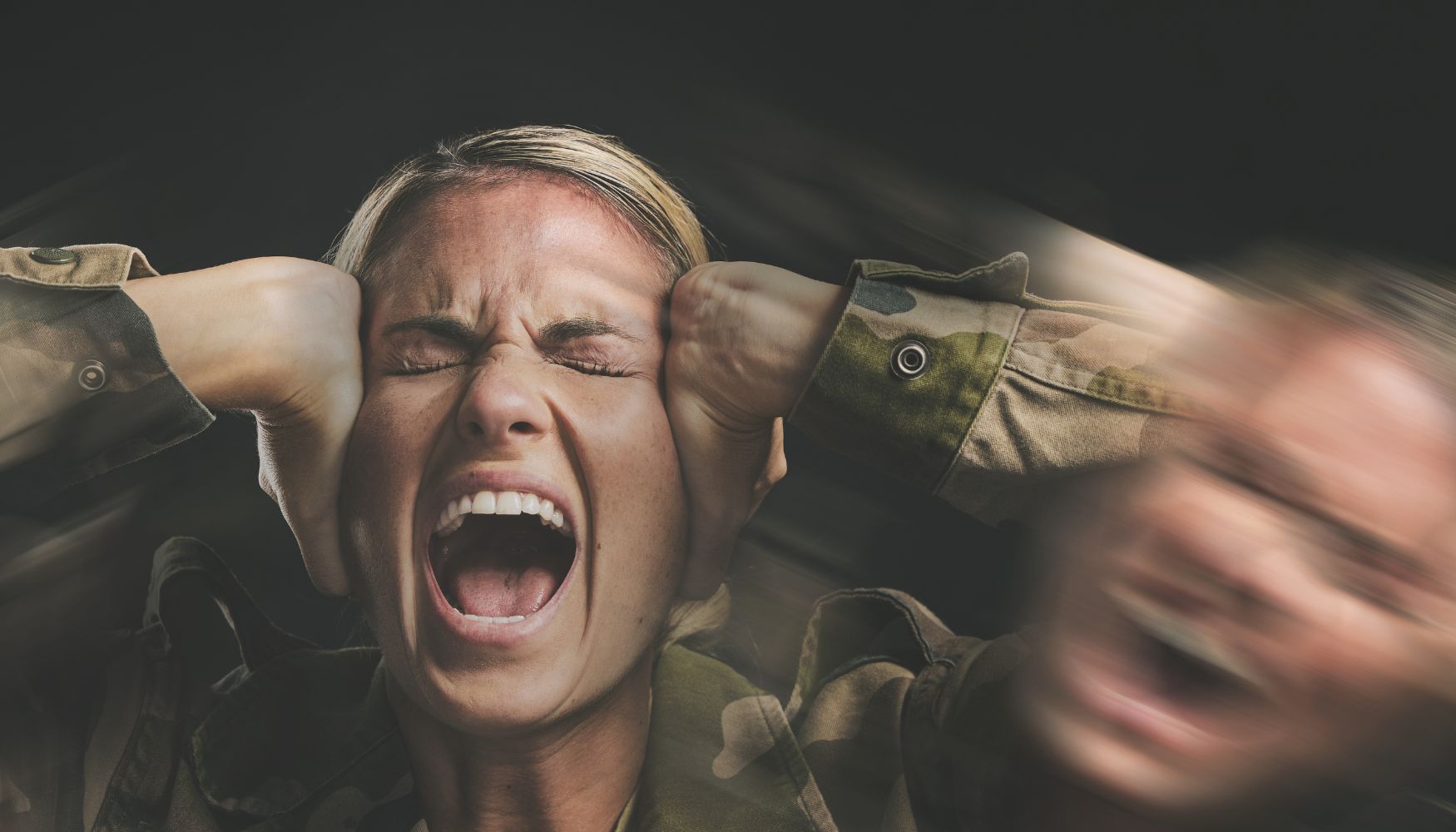
Schizophrenia is a serious mental health condition that causes sufferers to have trouble distinguishing reality from imagination. Substance use disorders (SUD) can play a significant role in schizophrenia, making it much harder to remain mentally stable.
Those suffering from both may:
- stop complying with mental health treatment
- experience daily life difficulties
- increase violence
- increase suicidal ideations
- require more frequent hospitalizations
Individuals who have schizophrenia and substance use disorders have a far greater rate of relapse and hospitalization than those who don’t use substances. They are more likely to abandon their treatment plan, which can increase the overall severity of their symptoms, includinginclude higher rates of suicide and suicidal tendencies and an increase in violent outbursts.
Other potential likelihoods of someone suffering with substance use and schizophrenia are conflicts with family and medical providers, and a greater risk of homelessness and housing instability.
Which Substances Are Most Commonly Used by Individuals With Schizophrenia?
The four most commonly misused substances by someone with schizophrenia are tobacco, alcohol, cannabis, and cocaine. It’s thought that about half of schizophrenia patients also have severe problems with commonly misused substances.
- Tobacco
Cigarette smoking seems to be the most commonly misused substance among people with schizophrenia. Some reports say that 60%-90% of them are likely to misuse tobacco for their entire lifetimes. Some patients have claimed that smoking cigarettes can improve their cognitive abilities. Researchers think this might be caused by their having fewer and less functional nicotine receptors in their brains. There is also evidence of a genetic connection between schizophrenia and the likelihood of tobacco misuse.
- Alcohol
There is scientific evidence of a genetic correlation between alcohol misuse and schizophrenia, suggesting that as much as 86% of those tested suffered from both.
- Cannabis
Losing cranial gray matter is common in schizophrenic patients; however, the loss rate doubles in long-time cannabis users. Cannabis helps control emotional responses to stress, which is why some researchers believe there is such a high percentage of misuse — between 17-80% — among schizophrenic patients.
- Cocaine
While cocaine has lower percentages of misuse among individuals with schizophrenia — roughly 40% — it can still cause significant adverse effects and increase symptoms. Even use for a short period can cause an acute psychosis episode that mimics or intensifies schizophrenia. Besides triggering psychosis, cocaine use can also increase the speed of disease progression and undermine previously successful treatment plans.
If you’re struggling with substance use and schizophrenia, Clear Steps Recovery is here to help. We offer behavioral therapies as well as medication-assisted treatments shown to be successful treats.
The connection between schizophrenia and substance use is prevalent but not well understood. Several theories may point to the reason, but many researchers believe it is a combination of different parts from each theory.
Diathesis-Stress Model
This theory suggests that an individual has an existing genetic predisposition (called diathesis) to schizophrenia and that a combination of stress and substance use can trigger its onset. A person may not develop the disorder at all unless a stressor — like substance use — triggers it.
Self-Medication Hypothesis
Researchers suggest that individuals with schizophrenia use substances to help ease their psychiatric symptoms. Some may also use them to treat the side effects of their antipsychotic medications. There is research that suggests alcohol and cigarette smoking can reduce symptoms in the short term, but can have severe long-term effects.
Biologically-Based Theory
This theory proposes that schizophrenia and substance use stem from the same genetic pathways, increasing the likelihood of both occurring. One of the core beliefs is that schizophrenia causes a low level of dopamine and drug use increases those levels, associating drugs with enhanced pleasure and motivation.
Both substance use and schizophrenia can be passed genetically between parents and children, making the children more likely to develop one or both disorders.
Dopamine Hypothesis
Some researchers suggest that there is dopamine dysfunction in individuals with co-occurring schizophrenia and substance use disorders. They propose that schizophrenia can cause low dopamine levels, and substance use can increase the level of the chemical activating the reward portion of the brain. These two symptoms are thought to play off of each other.

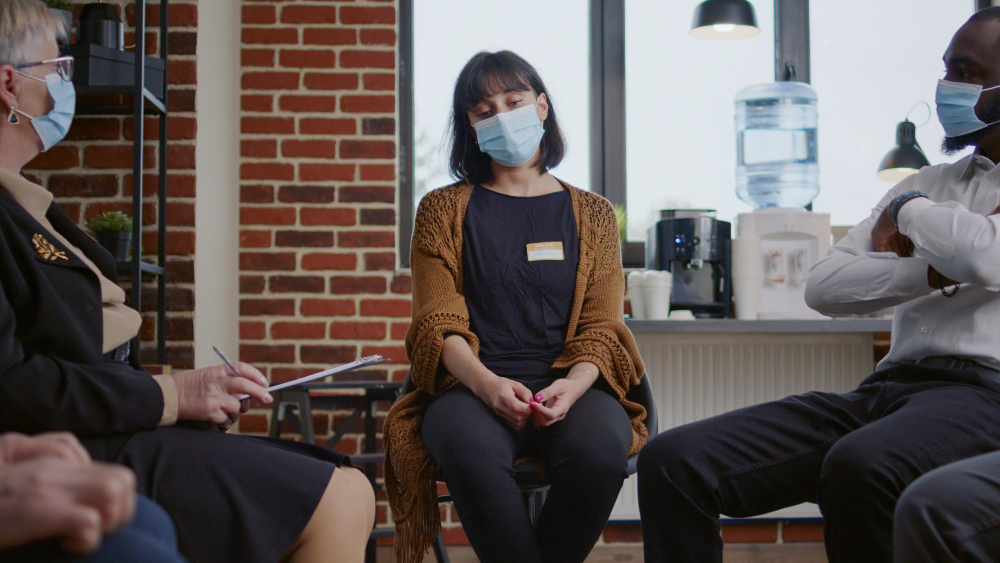
An intensive treatment program is usually necessary at the start of the treatment journey. They’ll often include medication management and therapy services. If you’re looking for intensive day programs to assist in your long-term recovery journey, Clear Steps Recovery might be the perfect place for you.
Medications
First-generation antipsychotics are often called typical or conventional antipsychotics. They interfere with the brain chemical dopamine and may cause body movement issues such as intense muscle stiffness (called dystonia). These medications are commonly used to treat schizophrenia and include:
- Chlorpromazine (Thorazine)
- Fluphenazine (Proxlixin)
- Haloperidol (Haldol)
- Loxapine (Loxitane)
- Perphenazine (Trilafon)
- Pimozide (Orap)
- Thioridazine (Mellaril)
- Thiothixene (Navane)
- Trifluoperazine (Stelazine)
Newer antipsychotics are usually called second-generation or atypical. They’ve come on the market more recently and have fewer side effects than the first generation. They have been seen to work just as well as the conventional ones; however, clozapine sometimes works when other treatments don’t. Several of these medications are available in injectable form and can last from a few weeks to several months.
These include:
- Aripiprazole (Abilify)
- Asenapine (Saphris)
- Brexpiprazole (Rexulti)
- Cariprazine (Vraylar)
- Clozapine (Clozaril)
- Iloperidone (Fanapt)
- Lumateperone tosylate (Caplyta)
- Lurasidone (Latuda)
- Olanzapine (Zyprexa)
- Paliperidone (Invega)
- Olanzapine/samidorphan (Lybalvi)
- Pimavanserin (Nuplazid)
- Quetiapine (Seroquel)
- Risperidone (Risperdal)
- Ziprasidone (Geodon)
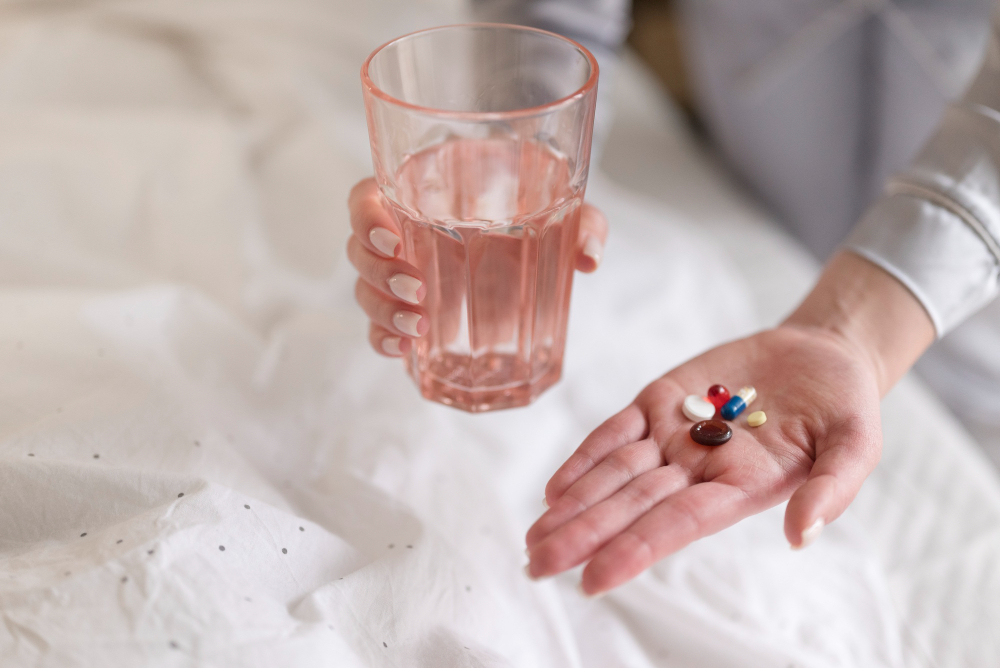
Substance use medications are used to treat certain types of drug addictions, such as opioids, alcohol, and tobacco. There aren’t any medications to treat stimulant or cannabis misuse, so behavioral treatments are best to treat these addictions. Medications to assist with detox are also available.
Common substance abuse medications include:
- Clonidine
- Lofexidine
- Carbamazepine
- Valproic acid
- Gabapentin
- Vigabatrin
- Librium (chlordiazepoxide)
- Valium (diazepam)
- Ativan (lorazepam
- Oxazepam
- And more

Behavioral Therapies
Behavioral therapies are often essential when treating SUDs and schizophrenia. They give the individuals tools to tackle the world around them and stressful situations they may encounter in daily life during recovery. When patients work hand in hand with medication management, they may be more likely to stay in treatment longer and avoid relapse.
Common behavioral therapies include:
- Cognitive Behavioral Therapy – CBT aims to assist individuals in recognizing, avoiding, and coping with situations where they’re most likely to use substances. It teaches them how to change negative thinking and beliefs about themselves, the world, and their situations.
- Dialectical Behavior Therapy – DBT teaches individuals how to handle intense emotions, cravings, and stress that can trigger relapse. It also helps them develop coping skills to create healthier outcomes for difficult situations.
- Assertive Community Treatment – ACT treats these co-occurring disorders using a comprehensive, team-based approach that happens in the community, not inside an office. A team usually includes a psychiatrist, nurse, therapist, and social worker. They’ll provide personalized, hands-on support, including medication adherence, daily living skills, and crisis management to help clients achieve recovery and an independent life.
Dual-Diagnosis Treatment
This type of treatment is used when the individual has both schizophrenia and a substance use disorder, treating both disorders at the same time instead of treating them as two separate issues. Medical professionals recognize that one fuels the other.
Dual-diagnosis treatments address the whole person, not just a single issue, which can lead to a more effective and lasting recovery. When treating both conditions simultaneously, it’s less likely for the symptoms of one disorder to trigger another. It leads to better and more consistent outcomes of treatment for both disorders.
Clear Steps Recovery treats dual diagnoses of SUDs and mental health disorders of all types. We offer many types of day programs supporting all addictions and mental health disorders, as well as co-occurring ones.
If you’re looking for a safe, friendly, and comprehensive recovery center, Clear Steps Recovery is a clear first choice. We treat both schizophrenia and substance use independently and as a dual diagnosis.
We offer many therapies and day programs, including: behavioral therapies, family support programs, VA rehab programs, men’s and women’s rehab programs, and medication-assisted treatment.
When you’re ready, our team is prepared to come alongside you and help start your journey to recovery. Contact us today to get started.
The content in this blog is not intended to be a substitute for professional medical advice, diagnosis, or treatment. Always seek the advice of your physician or other qualified health provider with any questions you may have regarding a medical condition.
Learn About Clear Steps Recovery and How We Can Help You
Once you reach out to Clear Steps Recovery, your path becomes clear, and you can get the help and support you need to break the cycle of addiction. Our serene woodland environment promotes physical, mental, emotional, and spiritual healing.
Call today or contact us online to get started.
Addiction Therapy Programs


The path is clear

























.jpeg)





.avif)
.avif)
.avif)
.avif)
.avif)
.avif)

.avif)















.png)
.png)
.png)
.png)
.png)

















.jpeg)









.jpeg)



The Path Is Clear – Take Your First Steps Today with Clear Steps Recovery
With our team and your desire to heal, we can improve your quality of life and functional abilities, so you can get back to living your best life.